Too much research is done about people rather than with them.
Communities most affected by inequality, migrants, sanctuary seekers, survivors of trafficking, people facing health inequalities, are routinely treated as subjects to be studied rather than experts to be listened to. The knowledge they hold is undervalued. The research that claims to represent them often does not.
Open Routes Research exists to do things differently. Rigorous research and genuine community involvement are not in tension. They reinforce each other. The most accurate findings come from the closest engagement. The most useful outputs are the ones communities themselves helped shape.
How We Work
Three things that don't always sit together.
Methodological rigour. Creative thinking. A deep respect for the people at the centre of every project.
01
Methodologically
We draw on a wide range of qualitative, participatory and creative approaches: in-depth interviews, ethnography, focus groups, photovoice, collage, body mapping, poetry, and consensus processes. Methods are chosen because they fit the question and the people we’re working with.
02
In practice
We work alongside communities for extended periods rather than extracting data and leaving. We train and supervise peer researchers with lived experience. Each engagement is the start of a relationship and we support organisations in their efforts to be sustainable.
03
In what comes out
Findings are translated into formats that reach the audiences who actually need them: policy summaries, clinical guides, creative anthologies, public exhibitions and academic papers.
Our Story
Where we come from.
Open Routes Research grew out of over a decade of research practice across academic, charity and public sector settings.
What has stayed consistent throughout is a commitment to research that serves the communities it involves, and to working with organisations that share that commitment.
Track Record
Who we have worked with.
Open Routes Research has worked alongside organisations across the research, health, policy and voluntary sectors.
UK Health Security Agency
EP:IC Consultancy
Lambeth Community Research Network
King's College London
Doctors of the World
Room to Heal
TB Alert
The Freedom Fund
World Health Organisation
Paiwand
The Afghan Academy
Southeast and East Asian Centre
Association of Afghan Health Professionals UK
Khora, Greece
Story Compound
The work has been published in peer-reviewed journals including PLOS Medicine, and featured in forthcoming publications in The Lancet. Dr Sohail Jannesari has presented findings at national and international conferences, appeared on BBC and LBC News, and contributed to national policy processes including the National TB Action Plan.
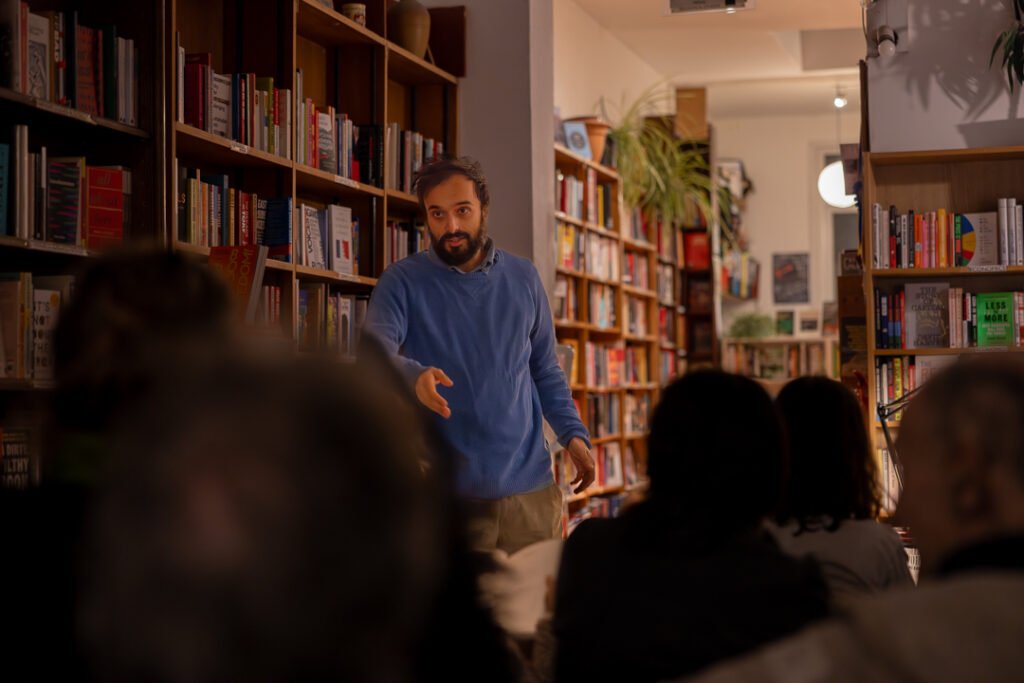
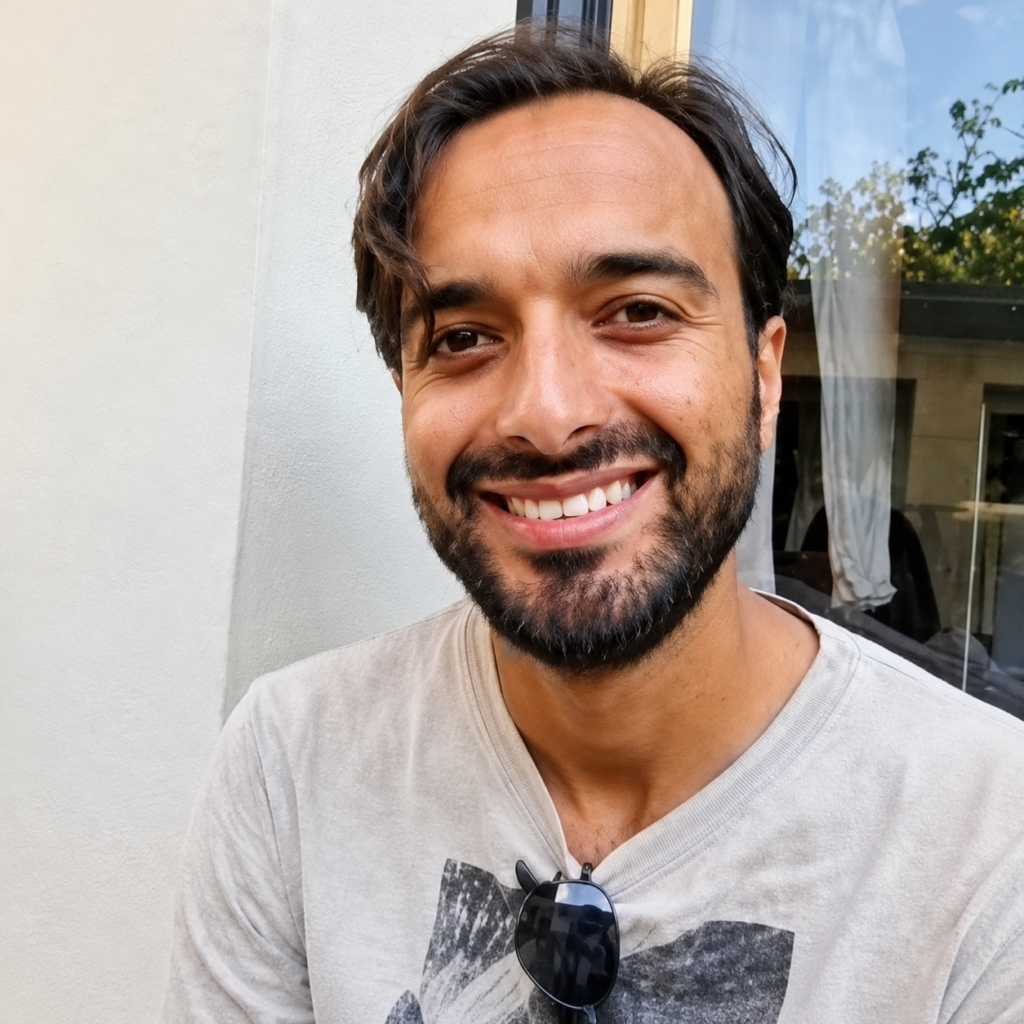
Dr Sohail Jannesari
The Person Behind the Work
Dr Sohail Jannesari.
Sohail is the founder of Open Routes Research. A researcher, consultant and author with over a decade of experience in participatory, qualitative and creative methods, specialising in migration, mental health, health inequalities and community-based ethics.
He holds a PhD from King’s College London, where his research focused on the mental health experiences of Iranian and Afghan sanctuary seekers in the UK. He is Engagement Lead and co-editor of the forthcoming Lancet Series on Human Trafficking and Health, and supervising editor of several peer-reviewed publications.
Sohail has given keynote addresses at national and international conferences, including the 2024 ETMU Conference on Knowledge, Art and Action in Migration Research. He has appeared on BBC and LBC News discussing migration and mental health, and has advised on the television series Asylum Queens (Story Compound).
His first book, The Migrant Art of Coping, is published by Pluto Press.
The wider team
We're more than one person.
For many projects we bring in collaborators with specialist expertise and lived experience, so the right people help shape the questions, methods and findings.
Bee Damara is a doctoral researcher, engagement coordinator, lived experience consultant and fully qualified youth worker specialising in human trafficking survivor engagement and participatory work with marginalised communities. Her work centres on developing ethical, trauma-informed and meaningful ways of working alongside survivors of trauma and exploitation.
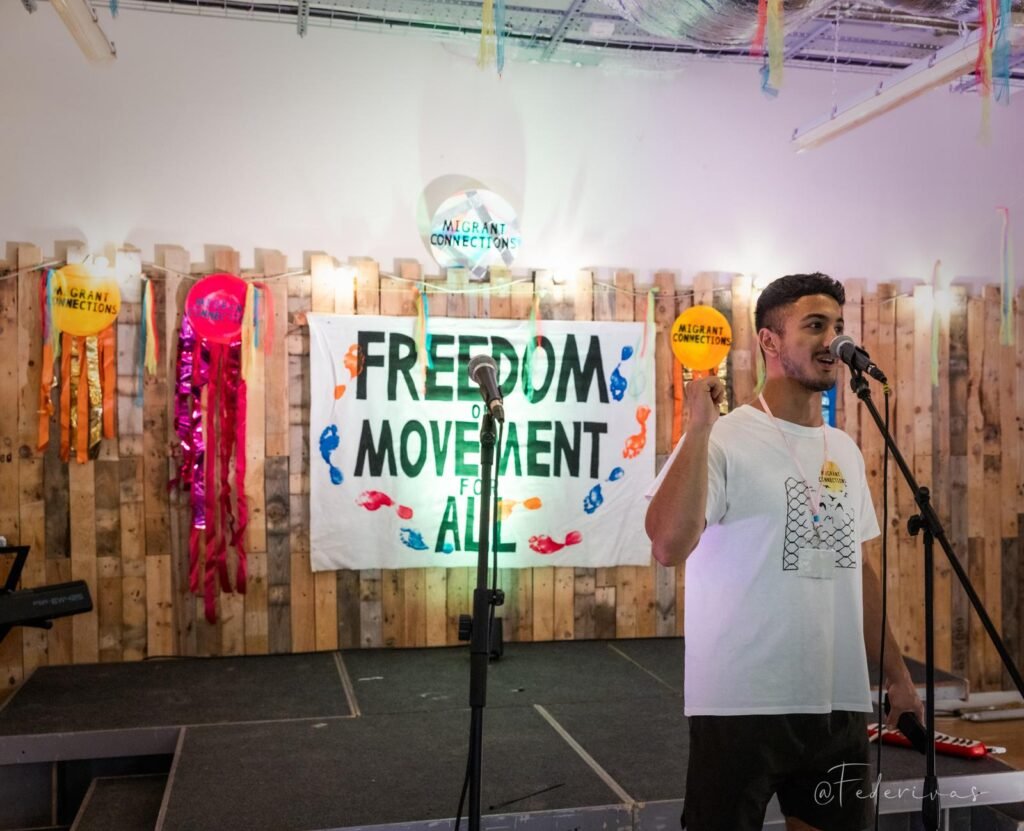
Participatory Arts Facilitator & Community Photographer
Through a therapeutic, participatory approach, Federico empower migrants and refugees to share their stories, fostering inclusive and reflective processes. Creating safe spaces, Federico nurture connections, dialogue, and collective storytelling.
Ariana works on urban violence and community-centred practice. She is especially interested in exploring and evidencing forms of violence that are hard to see and harder to count and she often uses arts-based methods to do that. She has trained public sector and nonprofit practitioners, written local government policy in the UK and El Salvador, and developed new ethics protocols for working in contexts affected by violence and conflict. Her work has taken her to 15 countries across five continents and been recognised as model practice by the Greater London Authority, the Royal Institute of British Architects, and others.
River has a background in anthropology, social medicine and applied theatre. They have recently completed a NIHR funded pre-doctoral fellowship exploring trans* inclusive healthcare practices catering to young people’s health needs. River is a Research Assistant at Population Health Sciences in developing a complex systems approach to social exclusion, stigma and homelessness. Their work draws on a wide range of skillsets such as youth work, storytelling, participatory action research, critical pedagogy and autonomous forms of organising.
Four commitments that run through everything Open Routes Research takes on.
01
Community first.
Research should serve the people it involves, not just the organisations commissioning it. Every project involves a genuine commitment to the communities at its centre.
02
Rigour without arrogance.
Good research is careful, honest and transparent about its limitations. We acknowledge what we don’t know and recognise lived experience expertise.
03
Creativity as method.
Photovoice, body mapping, creative writing, arts-based methods. These reach knowledge that conventional methods miss.
04
Knowledge belongs to everyone.
Research findings should not sit in academic journals that nobody reads. Everything produced gets translated into formats that reach the people who need it.
Get in Touch
Want to work together?
If you are commissioning research, evaluating an intervention, or looking for a facilitator or co-production partner, we would be glad to hear from you.